Back to the Basics: Digital Fundraising, Part 1

Are you making these 6 fundraising moves in 2026?
February 18, 2026
Back to the Basics: Digital Fundraising—SEO
September 1, 2026
Digital fundraising doesn’t fail from a lack of tools, it fails from neglecting the basics.
In a sector that’s constantly evolving, it’s easy to get distracted by the next new tool, platform, or trend. But the truth is that strong digital fundraising programs aren’t built on what’s new, they’re built on what works.
Across nonprofits of all sizes, we’re seeing the same pattern emerge. Teams are being asked to do more with less, donor files are tightening, and expectations for revenue are rising. And yet, many organizations are still operating without the foundational pieces in place to truly support sustainable digital growth.
New tools won’t lift up an organization simply because they’re new tools; success requires an unwavering focus on the fundamentals. So, before layering on complexity, ask a simpler question, “Do we actually already have what we need to succeed?”
Here’s the “Back to the Basics” assessment we use when evaluating digital fundraising programs:
- Frictionless giving
If it’s not easy to donate or sign up, you’re losing people. Full stop. Every extra click, delay, or confusion point is a missed opportunity. - SEO basics
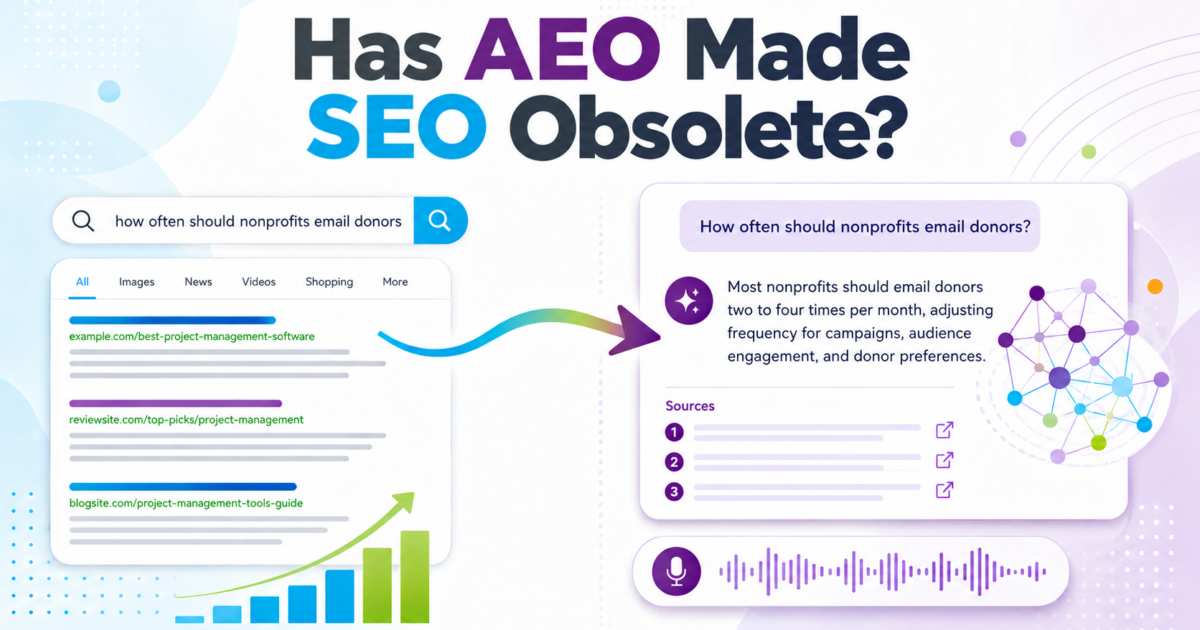
Not every org has a paid media budget, but everyone can improve discoverability. That is exactly why organic visibility matters. SEO remains one of the most underutilized tools in nonprofit digital strategy, especially for smaller teams. But, as AI reshapes how search engines deliver results, SEO is no longer just about keywords and rankings. It’s about creating clear, credible, and structured content. - Email isn’t a channel, it’s your ecosystem
Most organizations have a welcome series, but not everyone has a true lifecycle strategy. The first gift from a new supporter is the starting line. What happens next matters exponentially more. Supporters should be guided through a thoughtful journey that builds connection, trust and long-term value over time. That means going beyond a single welcome touchpoint to develop a coordinated communication calendar, implementing ongoing stewardship and upgrade series, and ensuring messaging stays aligned across channels. In a crowded digital world, relevance and continuity aren’t just nice to have, they are what keep supporters engaged. - Clear, usable analytics
You don’t need complex dashboards; you need insights you’ll actually use. At a minimum, every org should have properly installed analytics (like GA4) and simple, reliable reporting that tracks traffic, engagement, and conversions. The goal is clear visibility into what is working and what isn’t, so you can make informed decisions with confidence. - Paid media (when you’re ready)
Amplify what already works, whether that’s a high-performing email campaign, a compelling offer, or a landing page that converts. Don’t use paid media to fix what’s broken. Before investing, make sure your foundation is solid, and then use paid channels to extend reach and bring in new audiences. - Above-the-fold focus
You can’t prioritize everything. What’s the ONE action that matters most? Too many websites try to do it all, resulting in competing call-to actions and unclear priorities that dilute impact. Instead, define the single most important action you want a visitor to take and let that decision drive everything else. It should shape what appears above the fold, guide your primary messaging, and carry consistently across every touchpoint. - Always Be Testing
And not just button colors. Focus on testing what actually drives behavior, like your value proposition, call-to-actions, story framing, and headlines. With today’s tools, meaningful testing is more accessible than ever. - Clean data
It may not be the most exciting part of digital fundraising, but it is one of the most important. By keeping your data clean, organized and up to date, you can unlock the ability to segment more effectively, personalize communication in meaningful ways, and better understand supporter behavior. - Stop guessing
Your supporters will tell you what they want, if you ask. Whether through surveys, preference centers, or engagement data, your audience will tell you what matters to them.
The most effective digital fundraising programs focus on the basics and execute them well. When your foundation is strong, your campaigns perform better, your team operates more efficiently, and your supporters feel more meaningfully connected to your mission. Ultimately, that’s what drives sustainable growth.
Before chasing the next new tactic, pause to ask: Do we have what we need to succeed already in place?
At The Engage Group, we often find that the biggest opportunities aren’t in adding more, but in strengthening what’s already there. After that, a new tool or tactic may take your fundraising even further, but that should remain step two in your self-assessment.
Stick around. We’re about to embark on a series of deep dive posts walking through our nine-point self-assessment above, with lots of great takeaways you can use in your program. We’ll see you back soon.